
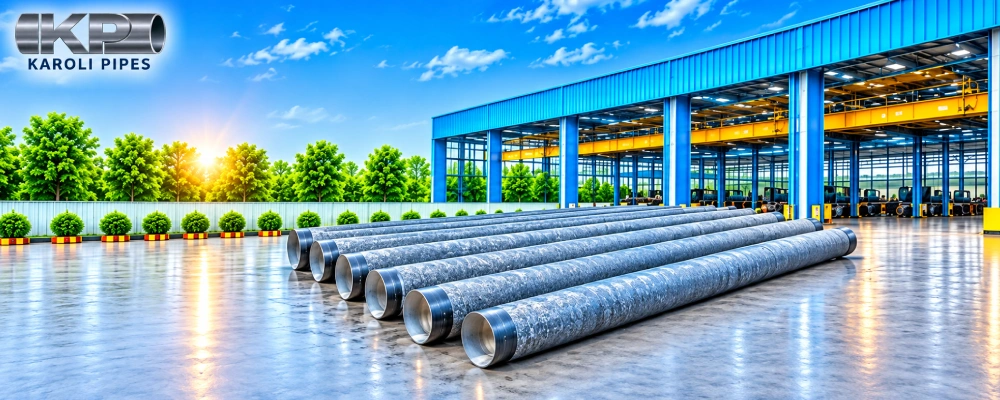
How to Choose the Right Cement-Lined MS Pipes Based on Diameter, Thickness, and Pipeline Requirements in Hyderabad?
Choosing the right Cement-Lined Mild Steel (MS) Pipes is important for developing reliable water transportation systems, industrial pipelines and infrastructure projects. Buyers should consider factors such as pipe diameter, wall thickness, cement lining quality, operating pressure and installation requirements before selecting a suitable product.
Cement-lined MS pipes combine the structural strength of mild steel with an internal cement mortar lining. This lining helps protect the pipe's internal surface from direct contact with transported water and can reduce internal corrosion under suitable operating conditions.
For customers looking for cement-lined MS pipes in Hyderabad, understanding these selection factors can help avoid incorrect specifications, installation difficulties and unnecessary maintenance expenses.
What Are Cement-Lined MS Pipes and How Do They Work?
Cement-lined MS pipes are mild steel pipes with an internal cement-based protective lining. They are commonly considered for water transportation and other suitable pipeline applications where internal surface protection is required.
The outer steel pipe provides mechanical strength, while the internal cement lining creates a protective barrier between the steel surface and the transported fluid.
How Does Cement Lining Protect MS Pipes?
The cement mortar lining covers the internal surface of the steel pipe. When properly applied and cured, it helps minimise direct contact between water and the steel surface.
Important functions include:
- Providing internal surface protection.
- Helping reduce internal corrosion under suitable conditions.
- Creating a suitable internal surface for water transportation.
- Supporting long-term pipeline performance when correctly installed and maintained.
- Helping protect the steel pipe from deterioration caused by certain water conditions.
The actual performance depends on lining thickness, application quality, curing, water chemistry and operating conditions.
What Are the Different Types of Cement-Lined MS Pipes?
Selecting the appropriate pipe depends on the pipeline's purpose, installation conditions and technical requirements.
1. Cement Mortar Lined MS Pipes
These pipes have an internal cement mortar lining applied to the steel surface. They are considered for suitable water supply and industrial pipeline applications.
2. Large-Diameter Cement-Lined MS Pipes
Large-diameter pipes are used in projects requiring higher water transportation capacity. Their selection depends on flow requirements, operating pressure and engineering design.
3. Custom Cement-Lined MS Pipes
Custom-fabricated pipes can be manufactured according to project-specific requirements, including diameter, length, wall thickness and connection arrangements.
4. Cement-Lined Pipes for Industrial Applications
These pipes may be considered for industrial water distribution, utility networks and other compatible fluid transportation systems. Fluid composition and operating conditions must be evaluated before selection.
What Key Features Should You Check Before Buying Cement-Lined MS Pipes?
Before purchasing cement-lined steel pipes in Hyderabad, buyers should evaluate the following features.
Internal Cement Lining Quality
The cement lining should be applied uniformly according to the specified project requirements. Uneven surfaces, cracks or damaged areas may affect protective performance.
Pipe Diameter and Dimensions
The internal diameter influences the available flow area and should match the pipeline's required flow rate.
Wall Thickness
Wall thickness contributes to the pipe's structural strength and ability to withstand the specified operating conditions.
Surface Finish
The internal and external surfaces should be inspected for visible defects, damage and irregularities.
Jointing Compatibility
The pipe ends and connection arrangements should be compatible with the project's installation and joining requirements.
What Are the Benefits of Cement-Lined MS Pipes?
Cement-lined MS pipes offer several potential advantages for suitable pipeline projects.
1. Improved Internal Corrosion Protection
The internal cement lining helps separate the transported water from the steel surface, reducing direct exposure under appropriate conditions.
2. Strong Steel Pipe Construction
Mild steel provides structural strength and can be fabricated into different sizes and configurations to suit project requirements.
3. Suitability for Different Pipeline Projects
These pipes can be considered for water distribution, industrial utilities and infrastructure development projects.
4. Customisation Flexibility
Buyers can specify pipe diameter, wall thickness, length and other fabrication requirements according to engineering drawings.
5. Reduced Internal Maintenance Requirements
A properly designed, manufactured and installed lining system can help reduce certain internal corrosion-related maintenance concerns. Actual maintenance requirements depend on service conditions.
What Technical Specifications Should You Consider?
- Pipe Material: Mild steel grade and applicable material standards.
- Outer Diameter: Nominal or actual pipe diameter as per project requirements.
- Wall Thickness: Selected according to operating pressure and structural design.
- Pipe Length: Standard or customised lengths based on project requirements.
- Cement Lining: Specified cement lining material and lining thickness.
- Operating Pressure: Design pressure and working pressure requirements.
- Joint Type: Welded, flanged, or other specified connection types.
- Surface Condition: Internal and external surface quality and finish.
- Testing: Required inspection procedures, quality checks, and testing documentation.
Why Is Pipe Diameter Important?
Pipe diameter determines the available space for water flow. An unsuitable diameter can affect flow velocity, pressure loss and overall pipeline performance.
For example, a large water distribution project may require different pipe diameters from a smaller industrial utility pipeline.
How Does Wall Thickness Affect Pipe Performance?
Wall thickness is important for handling internal pressure, external loading and installation conditions.
The correct thickness should be selected according to:
- Operating and design pressure.
- Pipe diameter.
- Installation depth.
- External loads.
- Transportation and handling conditions.
- Applicable engineering standards.
Why Should Cement Lining Thickness Be Checked?
The cement lining should meet the project's specified requirements. Its thickness, uniformity and curing quality can influence internal protection and service performance.
Do not select lining thickness based only on assumptions; confirm the required values from the applicable project specifications.
How Does the Cement Lining Process Work?
The quality of cement-lined MS pipes depends on the preparation of the steel surface and the application of the lining.
A typical process may include the following stages:
Step 1: Steel Pipe Inspection
The pipe is checked for dimensions, visible defects, surface condition and conformity with the required specifications.
Step 2: Internal Surface Preparation
The internal surface is prepared to support proper adhesion of the cement mortar lining.
Step 3: Cement Mortar Preparation
The cement-based lining material is prepared according to the specified composition and application requirements.
Step 4: Internal Lining Application
The cement mortar is applied to the internal surface using a suitable lining process to achieve the required coverage and thickness.
Step 5: Curing
The lining is cured under appropriate conditions to support strength development and lining quality.
Step 6: Final Inspection
The finished pipe is inspected for lining uniformity, visible defects, dimensions and compliance with project requirements.
Why Is Material Quality Important in Cement-Lined MS Pipes?
Material quality directly influences the performance and reliability of a pipeline.
Mild Steel Quality
The base steel should meet the specified material grade and relevant quality requirements. Buyers should request material test certificates where applicable.
Cement Mortar Quality
The cement mortar should be suitable for the intended lining application. Its composition and application should follow the relevant specifications.
Lining Adhesion and Uniformity
Proper surface preparation and application help achieve consistent lining coverage. Areas with poor adhesion or visible damage should be evaluated before installation.
Quality Inspection
Depending on project requirements, buyers should check:
- Material certificates.
- Dimensional inspection reports.
- Cement lining inspection records.
- Required pressure or other test reports.
- Applicable manufacturing standards.
Where Are Cement-Lined MS Pipes Used in Industrial and Infrastructure Projects?
Cement-lined MS pipes can be considered for different water transportation and utility applications.
1. Municipal Water Supply Systems
They may be used in suitable water distribution networks for transporting water across residential and commercial areas.
2. Industrial Water Pipelines
Manufacturing units may require water transportation systems for industrial processes, utility supply and other operational requirements.
3. Infrastructure Development
Large-scale infrastructure projects may use cement-lined steel pipes for suitable water supply and distribution applications.
4. Water Treatment Facilities
These pipes may be considered for compatible water transportation sections within treatment and distribution systems.
5. Commercial and Institutional Projects
Large buildings, industrial campuses and institutional facilities may require customised pipeline solutions based on their water supply needs.
The suitability of cement lining should always be assessed against the transported fluid's chemical properties, temperature and operating conditions.
How to Choose the Right Cement-Lined MS Pipes in Hyderabad?
Selecting the right product requires a clear understanding of the project requirements.
1. Identify the Required Pipe Diameter
Calculate the required flow rate and evaluate the pipeline design before finalising the diameter.
2. Determine the Required Wall Thickness
Consider operating pressure, external loads, installation conditions and applicable engineering standards.
3. Check the Cement Lining Specifications
Confirm lining material, thickness, application method and curing requirements.
4. Evaluate Operating Conditions
Consider the transported fluid, water chemistry, temperature, pressure and expected operating environment.
5. Confirm Pipe Length and Joint Requirements
Check whether standard or customised lengths are needed and ensure the connection arrangements match the pipeline design.
6. Verify Quality Documents
Request relevant material certificates, inspection reports and test documentation before purchasing.
7. Select a Suitable Supplier
Choose a supplier who can understand your technical requirements, clarify product specifications and provide suitable project-related support.
For customers sourcing cement-lined MS pipes in Hyderabad, sharing engineering drawings and technical requirements can help simplify product selection and quotation.
Why Choose Karoli Pipes for MS Pipe Requirements?
Karoli Pipes caters to mild steel pipe and fabrication requirements for construction, industrial and infrastructure applications.
When discussing cement-lined MS pipe requirements, buyers should communicate their project specifications, including:
- Required pipe diameter and wall thickness.
- Cement lining specifications.
- Pipe length and quantity.
- Operating pressure and application.
- Jointing and fabrication requirements.
- Relevant quality and inspection standards.
Providing these details helps determine whether the required product configuration is suitable for the intended application.
For project enquiries, customers can contact Karoli Pipes to discuss their MS pipe and fabrication requirements in Hyderabad.
Frequently Asked Questions
1. What Are Cement-Lined MS Pipes Used For?
Cement-lined MS pipes are used in suitable water transportation, industrial utility and infrastructure pipeline applications where internal cement-based protection is required.
2. Why Are MS Pipes Internally Cement Lined?
Internal cement lining helps reduce direct contact between transported water and the steel surface, supporting internal corrosion protection under suitable conditions.
3. How Do I Select the Correct Diameter of Cement-Lined MS Pipes?
The diameter should be selected according to required flow rate, flow velocity, pressure loss and pipeline design.
4. Does Wall Thickness Affect MS Pipe Strength?
Yes. Wall thickness contributes to structural strength and pressure resistance. The correct thickness depends on pipe diameter, design pressure and installation conditions.
5. Are Cement-Lined MS Pipes Suitable for Industrial Water Pipelines?
They can be suitable for certain industrial water applications, provided the transported fluid, temperature, pressure and lining compatibility are properly evaluated.
6. How Is Cement Lining Applied Inside MS Pipes?
The process generally involves internal surface preparation, cement mortar application, curing and final inspection.
7. What Should I Check Before Purchasing Cement-Lined MS Pipes?
Check pipe diameter, wall thickness, steel grade, lining specifications, operating pressure, jointing requirements and quality documentation.
8. Where Can I Find Cement-Lined MS Pipes in Hyderabad?
Customers can contact Karoli Pipes in Hyderabad to discuss MS pipe requirements, project specifications and suitable product configurations.
